Why Kindle Unlimited isn’t a great match for the Kindle Classroom Project (for now)

Kindle Unlimitedfavicon Last week, Amazon unveiled Kindle Unlimited, its new book subscription service. A “Netflix for Books,” Kindle Unlimited lets you borrow as many books as you like for $9.99 a month.

Amazon hopes to compete against other (sort of) popular book subscription services Scribd and Oyster. At first glance, Kindle Unlimited seems like a perfect match for the Kindle Classroom Project.

The most crucial part of the Kindle Classroom Project’s success — even more important than the Kindles themselves — is that students have immediate access to high-quality books. If they want to read a book that is not currently in the Kindle library, they tell me, and because of generous donors, I purchase the title immediately.

The only problem with the current system is that Kindle books, on average, cost $9.99. That’s not too expensive, but especially at certain points of the year, student requests pick up, and my Amazon gift balance gets close to zero. As a result, I am always worried that eventually I will run out of money and have to tell a student, “Sorry, I can’t get that book for you.”

But what if my students could borrow an unlimited number of books? That would mean that I could ask 12 people to donate $9.99 per year (one generous donor per month), and all of my concerns would be solved! Right?

In theory, that’s true, but there are three things that prevent me from pursuing Kindle Unlimited, at least for now.

1. If you stop subscribing, you lose your books.
With Kindle Unlimited, you rent books. You don’t own them. (Some may argue that you don’t really own Kindle books even when you buy them, but that’s a philosophical discussion for another post.) Because you’re borrowing the books, once you stop paying the $9.99 a month, your books disappear. That just doesn’t make sense for the KCP.

2. The program is not meant for teachers or classroom libraries.
When you buy a book from Amazon, you can transfer the title to up to six devices on your account. That means when a book is extremely popular among my students, I sometimes purchase multiple copies. Kindle Unlimited is meant for personal accounts, and as far as I know, it would not be possible to borrow more than one copy at a time.

3. Most important: The selection is currently extremely limited.
There are currently 600,000 titles in Kindle Unlimited’s library. That sounds like a lot of selection, but it certainly isn’t unlimited. The library is particularly shaky when it comes to young adult fiction. Besides the big blockbusters (like Divergent and Hunger Games), there isn’t too much there. Of course, the selection may improve, but right now, it’s pretty middling.

Though I won’t be signing up for Kindle Unlimited right now, I’m not disparaging Amazon’s attempts to get into the book-subscription market. KU seems like it can save some money for heavy readers who don’t like to borrow e-books from the library.

Please let me know if you have opinions about Kindle Unlimited and whether you think I’m doing the right thing not to pursue it at this time. Also, if this post got you excited about making a contribution to ensure that students can always request books they want to read, please check out the Contribute page. Thank you!

Kindle Classroom Project, news and updates: July 2014

This is a lot of what happens during the summer at the Kindle Classroom Project.

favicon Hi there, loyal readers and supporters of the Kindle Classroom Project! It’s summer, which means that I’m resting and relaxing, but I wanted to share with you some quick updates about the Kindle Classroom Project.

After a donation slump that lasted several months, I’m happy to report that Kindles are again arriving. Even though there are more than 150 Kindles now in the collection, it’s still a wonderful feeling to receive an email (from the Donate Kindle page’s form) that someone wants to donate their Kindle to students in the San Francisco Bay Area. I’m always very appreciative of people’s generosity, and it makes me especially happy when total and complete strangers find Iserotope on the Internet, decide that the KCP is a worthy cause, and ship their Kindle to me. It’s pretty great.

Also great is that the Kindle library is beginning to grow again. My goal has never been to accumulate tons of titles; after all, anyone can go on Project Gutenberg and download out-of-print classics that no students will read (even though we might want them to). Besides, you don’t want too many books: It’s confusing to students, plus you don’t want to go over the Kindle’s capacity (~1,000 books for some models). But Kindles themselves don’t do anything until there are good books on them. That’s why I’m grateful for all the donors who have purchased books, either via the Contribute page or by checking out my students’ Amazon wishlist.

The past few months, several people have contacted me to ask why I’m focusing more of my attention on physical books. “Isn’t that taking away your energy from Kindles?” I definitely don’t think so. My goal has always been to spread reading among students; I’m not really partial to any specific medium. That said, I do believe strongly in what I call “classroom library mirroring,” where students can see physical books in the classroom and then access them on their Kindle. Without library mirroring, there’s no good way for students to browse and to discover new titles they might want to try out. Therefore, I’ve been working with teachers (via DonorsChoose, mainly) to build physical classroom libraries. If you’re pro-physical book and would like to make a contribution, please let me know!

Coming Up: This Summer’s Projects

Summer is a great time to get ready for the next year and to work on big ways to make the Kindle Classroom Project better.

I’m happy to report that the KCP will be in five schools in August — two in San Francisco, one in Berkeley, one in Oakland, and one in Hayward.

One challenge I’ve had is to build a robust data-gathering system I can study (with some scientific accuracy) the effects of the Kindles on students. Last year, I tried, but it was not too successful for a number of reasons.

So this summer, I’m creating an easy way (via Google Forms) for students to track the books they’ve completed. That data, when compared to their online reading achievement scores, will help me answer more clearly whether students who use Kindles read more and whether they become better readers as a result.

I’ll need teacher collaboration and support, of course, to ensure that students are reporting their reading. No one, after all, likes to fill out a reading log. (The Form won’t be a reading log, promise.) The good news is that I’m working with teachers (and one school librarian!) who are wonderful and incredible and understand the importance of the project. I’ll be introducing them to you beginning in August.

What else? Oh, another big project is to — finally — publish the Kindle library online, categorized by genre. I have procrastinated on this project for too long (for some good and not-so-good reasons), and it’s time to move. It’s not going to be perfect — no cataloging system is — but I’m going to do my best (and maybe ask my librarian-y friends for help).

There are tons of benefits to this cataloging project. First, it’ll be easier for students (and parents) to browse books if the classroom library is not yet mirrored. One copy of the Kindle library will be on Goodreads, so students can check out the book’s summaries and reviews to determine whether to give a book a try.

Second, it’ll make it much easier to organize the books on the Kindles. Students have access to nearly 500 titles (as long as no more than six students are reading the book simultaneously, per Amazon’s policy), and my feeling is that students will more quickly find books they want to read if they’re organized by genre. (This is very similar to why school libraries over the past two decades have moved toward cataloging by genre vs. by author for fiction and by Dewey decimal number for nonfiction.

OK, wow, this is a long post, and I can go on for longer, but I’ll stop for now. Again, I appreciate the support and the enthusiasm that you all have for young people and their reading lives, and I’m hopeful that 2014-15 will be a strong one for the Kindle Classroom Project. Thank you! favicon

What’s in my Pocket? Thanks, Pocket!

favicon I’ve written quite a bit about Pocket, my favorite read-later service. Examples: using Pocket in the classroom to promote nonfiction, using Pocket with Evernote for better article printing, and reading tons and tons on Pocket. (Here are all my Pocket posts.)

The kind folks over at Pocket apparently noticed my crazy enthusiasm for their wonderful service and contacted me for an interview for their “What’s in My Pocket” series! And of course I obliged.

Sim, the interviewer, asked excellent questions, listened carefully, and seemed genuinely interested in what I had to say! She also did a wonderful job capturing my thoughts and paraphrasing them in a way that makes me sound (somewhat) articulate. Thank you, Sim!

Please check out the final product over at the Pocket blog! (For bonus points: Pocket the post!)

For those of you who need a teaser in order to head on over to read the interview, here’s a quick screenshot. Yes, it features my face.

Screenshot 2014-07-09 14.05.14

Really, let’s be serious for a second. I’m not really sure what people do if they don’t use a read later service like Pocket. Do people bookmark articles that they want to read later? Email them to themselves? Remember? Clearly I’m missing something.

This post isn’t meant to be an advertisement, but I’m going to continue for a little bit longer. Ever since I found Pocket (which lets you save anything with a URL), not only has my reading flow been more flowy, but I’ve also witnessed my students’ interest in reading nonfiction grow markedly.

Please check out the interview and let me know what you think! favicon

Recommended Reading: “A Prisoner’s Reading List”

favicon I don’t hear the term “well-read” very often anymore. We all might be reading more, but it’s usually the various intermittent stuff online. If it’s a book, it’s likely about a topic we already care and know a little about.

With all this reading going around, going around, we might not be getting any smarter.

This article puts “well-read” back into proper perspective.

Excerpt
“I met Daniel Genis at a bookstore. It was March, and I was there to speak on a panel about Sergei Dovlatov, the comic novelist of late Soviet decay, and Genis came up to me afterward, wanting to talk about books. Books, it became clear, were something he knew about.”

Source: http://j.mp/1mvEWgD. You can also find this article at Iserotope Extras, a curated list of my favorite articles about teaching, reading, and technology. favicon

Kindle library nearing 500 titles!

favicon One of my goals this year was for the Kindle library to reach 500 titles by June. Well, I haven’t quite reached that goal, but I’m happy to report that we’re coming close.

There are now 481 titles in the Kindle library!

The titles aren’t random, either: I’m not collecting books just to collect books. The books in the Kindle library are books that students really read. And many of the titles are directly from student requests.

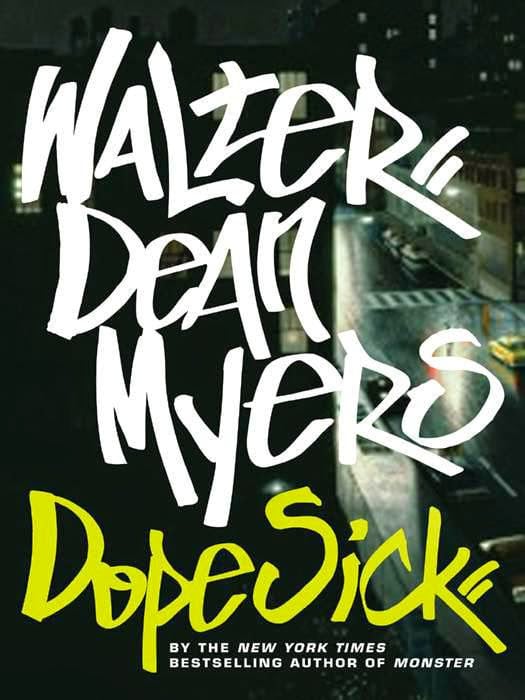
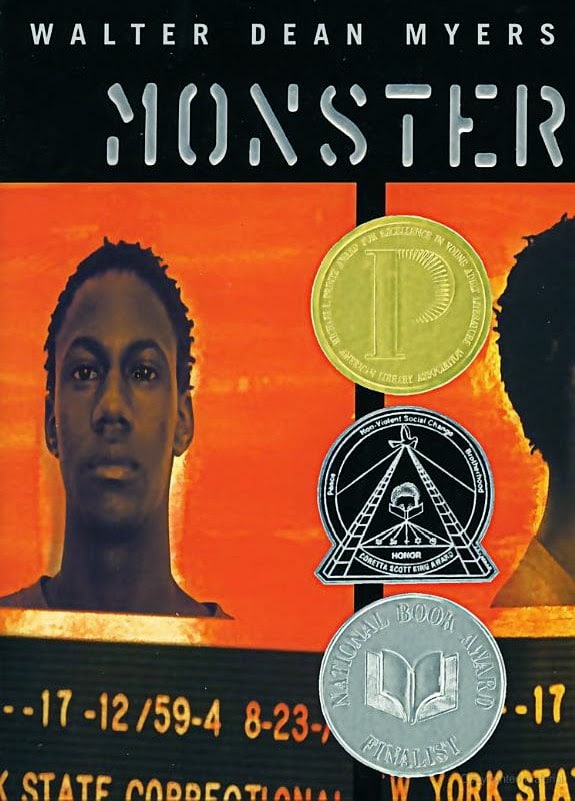
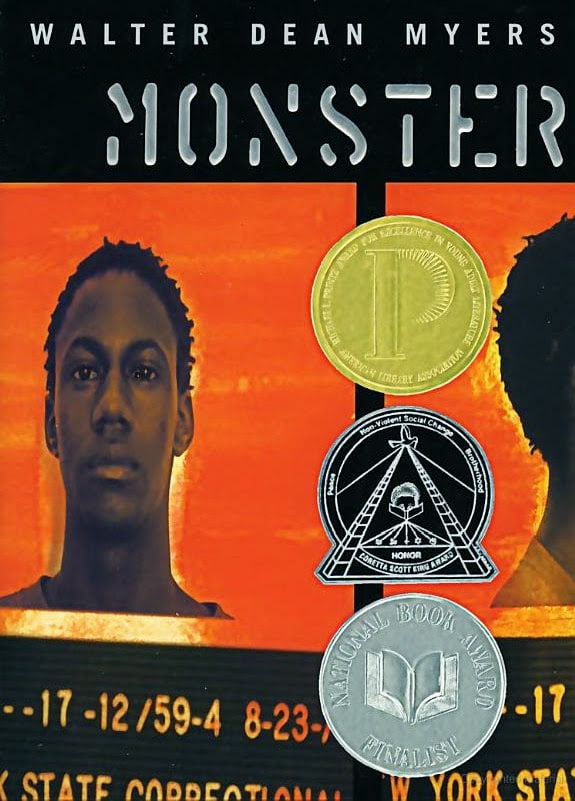
For example: One perennial favorite author is Walter Dean Myers, who passed away last week. I’m proud that the Kindle library includes seven of his books, including the extremely popular Dope Sick and Monster.

cover      cover(1)

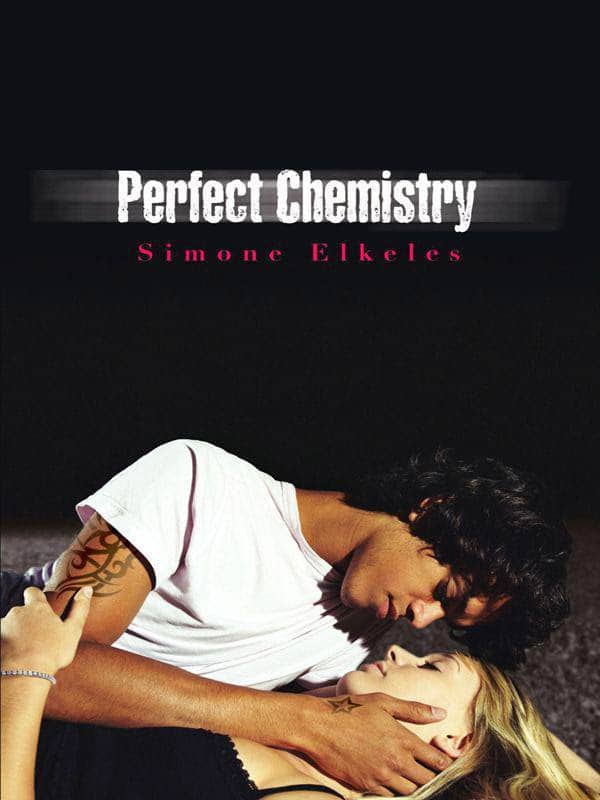
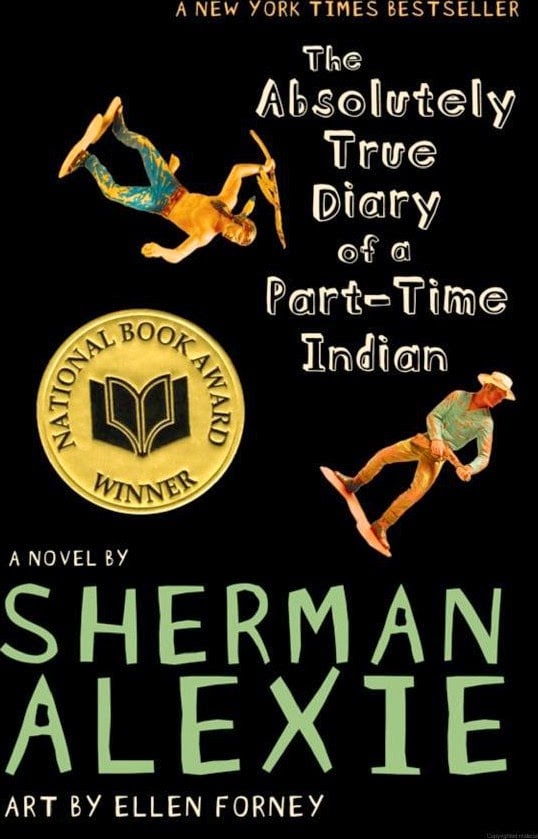
It’s important that the library also include students’ favorites. Here are a few of the most popular books this past year:

cover      cover(1)      cover(2)

One rule I have is that I buy books that students request. If a student wants to read a book, I buy it. This is possibly only because of generous donors. If you’d like to donate, check out the Contribute page (or my students’ Amazon wishlist)!

A big change I might make to next year’s Kindle library is not to display the entire library on every student’s Kindle. It’s a bit overwhelming for students. Plus, the search capability on Kindles (by typing in a title) is not particularly good.

Therefore, I’m thinking of switching things up — either by including only a small fraction of titles (the most popular ones) or by organizing the books into collections (very time-consuming, not easy to do).

There is a clear benefit to loading the Kindles with only the Top 20-30 books. Doing so would mean that more students would read similar books, thereby creating book clubs and reading communities. Sure, I’ll have to purchase more titles of the most popular books, but that’s OK.

After students read 2-3 of the most-popular books, then I can introduce them to the larger Kindle library, where they can browse, figure out their interests, and get really excited that there are so many titles from which to choose.

Which reminds me: I still haven’t put the Kindle library online! What’s wrong with me? My intention last year was to catalog each of the titles on Goodreads so that students (and potential donors!) could see what’s in the Kindle library. I still haven’t done that. Maybe that’s a project that needs to happen this summer.

As always, thank you for your ongoing and generous support, and I look forward to announcing soon that the Kindle library has surpassed the 500 mark! favicon