Generous donors have been funding books via DonorsChoose all summer, and yesterday, a huge shipment came in the mail.
They look good, don’t you think?
Here are some close-ups:
These books are ready to be distributed to excellent teachers in San Francisco, Berkeley, Oakland, and Hayward. All of the titles are also mirrored on all 162 Kindles.
If you add everything up, the 86 books (and Kindle ebooks) total more than $1,000 in donations. I am very appreciative and humbled. Thank you, Generous Donors!
It’s easy to criticize Teach for America. It’s all about well-off, elitist college graduates who swoop into poor communities to encourage kids of color to become upper-class white people, just like them.
Except that characterization may no longer be true. Dana Goldstein, author of The Teacher Wars, which I recommend, explains how TFA is changing. New co-CEOs Elisa Villanueva Beard and Matt Kramer are thinking critically about the organization and its shortcomings.
Among the highlights:
-TFA is piloting a year-long induction course, much longer than its much-ridiculed five-week version;
-TFA is piloting a program where teachers make a five-year commitment, instead of just two years;
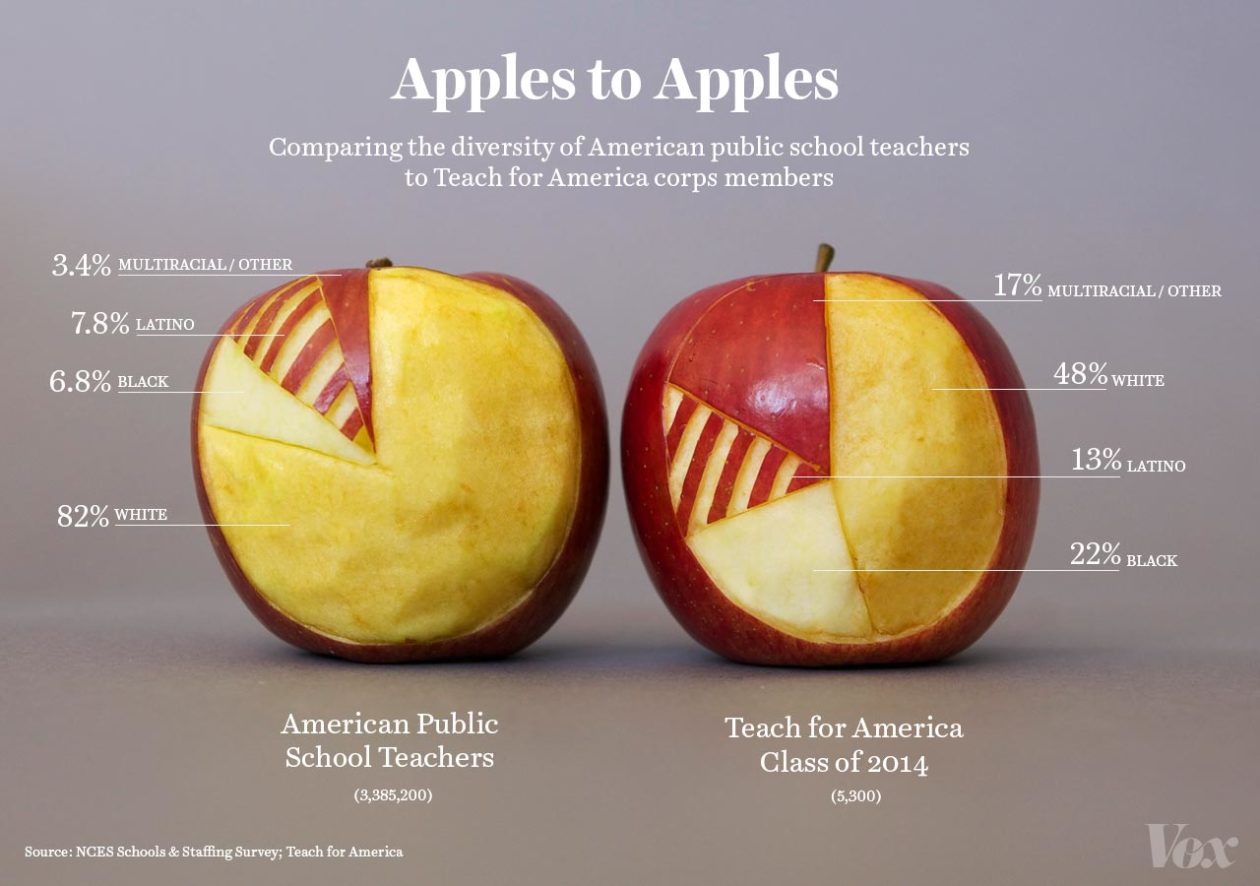
-TFA is now much more diverse than the country’s public school teachers. Take a look at this chart:
No, I’m not ready to say that I’m a TFA convert. But now that Wendy Kopp is out (running Teach for All, a TFA program for the world), and the new co-CEOs are in, I have a little more faith.
Excerpt
“A sporty-looking blonde guy in his mid-thirties rose, identifying himself as an administrator for a small network of Harlem charter schools. He was proud of Teach for America; it had ‘injected a huge amount of human capital into education,’ he said.”
Source: http://j.mp/WvGD43 (via Pocket). You can also find this article at Iserotope Extras, a curated list of my favorite articles about teaching, reading, and technology.
It’s a tough question, this texting thing. There are definitely best practices, like (1) make sure it’s OK with your students and their parents, (2) don’t text your students too often, (3) unless it’s really important, don’t initiate a text with an individual student.
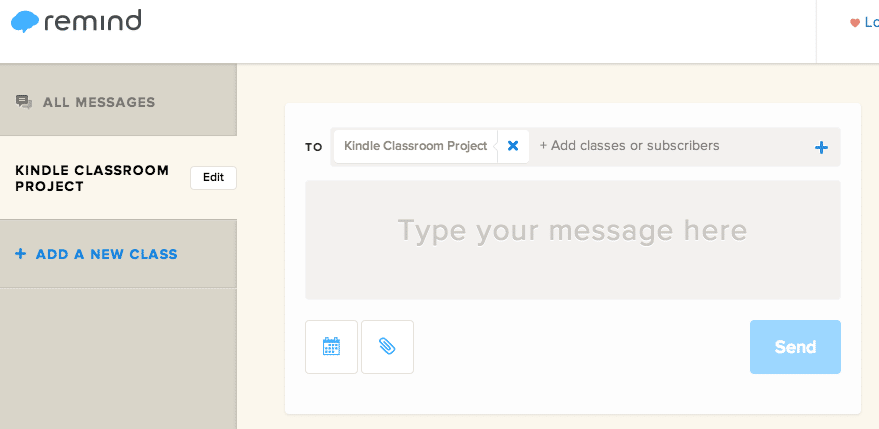
Now that SmashText is no longer, I like Remind, a service for teachers to stay in contact with students and parents via text messages.
Remind keeps everything easy and safe. There is a web version and a phone app, and both are beautiful and easy to use. Students and parents can subscribe to your reminders by sending a quick text to a phone number that is not yours. Most important, communication is one-way: You get to talk with them, but they don’t get to talk to you.
Here’s a screenshot of what Remind looks like:
I used to bristle at the one-way communication part. After all, isn’t it weird to receive a text message and then not be able to respond? I think the answer to that is yes.
(If you’re in that camp, it’s an easy solution to offer a Google Voice number to your students and parents if they want to contact you directly.)
Teachers are using Remind in many ways:
-remind students of homework,
-remind students to study for a quiz,
-distribute assignments,
-capture and send key info from day’s lesson,
-ask homework questions and do formative assessments.
Remind also has a ton of new features, which are pretty slick, including the ability to send attachments and audio recordings. The Stamps feature lets students and parents interact with your texts via the Remind app, so teachers can ask quick homework questions, take a poll, ask parents for help on a field trip, among other things.
I plan on using Remind this year with the 162 students participating in the Kindle Classroom Project. Because I don’t see them more than once a week, I might want to send out an announcement about new books or an upcoming meeting.
Teachers, what do you think about texting your students? Do reminders help or hinder students’ personal responsibility? When is texting too much or too close? Would your students like Remind, or is it too impersonal?
The Kindles aren’t even out yet (they go out beginning next week), and already, there is a ton of magic happening this year at the Kindle Classroom Project. It seems like every which way you turn, there is something exciting.
Yesterday’s donation from Matt (Fremont, CA), a former student, stopped me in my tracks, not just because of its generosity, but also because of my realization that I have a large group of former students (about 1,500 people over 15 years of teaching) who are kind and want to give back to their communities. They can give in many ways, and I am honored that Matt and other former students contribute to the KCP.
If you’re a teacher, it’s a great feeling when students come back to visit you in your classroom. Because I don’t have one classroom anymore, I feel the same way when I receive a donation from a former student.
Former students helping current students. There’s something that sounds right about that.
 It’s always good to get mail.



 School is back in session. This means, invariably, that people are debating